
What Are the Common Causes of Display Anomalies in Transparent LED Screens?
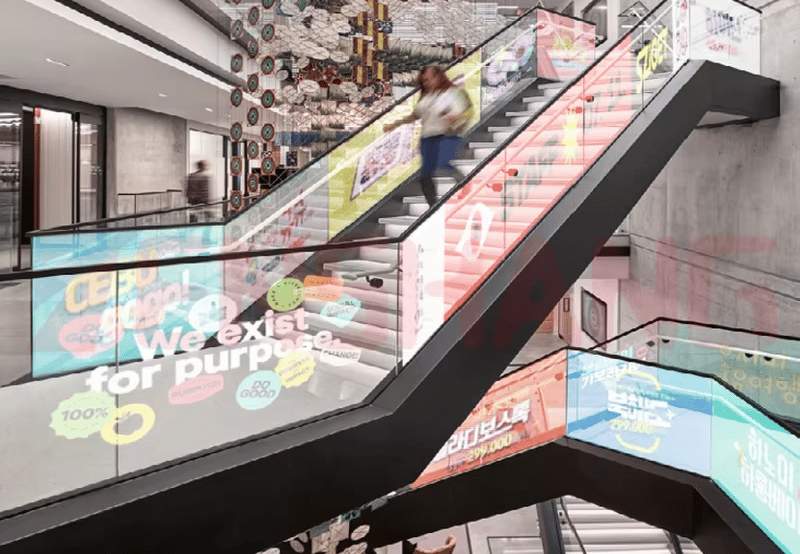
Display anomalies in transparent led screens during operation are typically linked to electrical failures, signal transmission issues, environmental impacts, and structural damage.
Electrical failure is one of the primary drivers of display issues. Damaged power modules, unstable supply voltage, or poor circuit contact can lead to localized "dead pixels," flickering, or complete screen blackouts. Regularly testing the power supply system and verifying the tightness of wiring ports are effective measures to reduce such occurrences.
Signal transmission problems also frequently cause display malfunctions. When signal cables are damaged, interfaces are loose, or the control system software encounters errors, the screen may exhibit "snow" (visual noise), image misalignment, or a total loss of signal. Maintaining proper shielding for signal lines and avoiding excessive bending can significantly enhance transmission stability. In network-controlled modes, it is essential to ensure that transmission bandwidth and latency meet the specific requirements of the display.
Environmental factors exert an undeniable influence on transparent led screens. Extreme high or low temperatures, humidity, or exposure to intense light can degrade display quality. Moisture may cause circuit corrosion, while temperature fluctuations can affect the stability of the LED chips. It is critical to select appropriate protection ratings (IP ratings) and material specifications tailored to the specific environmental conditions of the installation site.
Structural damage is a unique potential issue for transparent led screens. Due to their bendable nature, an improper bending radius or excessive twisting can lead to fractures in the conductive layer, resulting in regional failures. During handling, installation, and maintenance, excessive pressure on the screen body must be avoided to prevent internal structural damage.
Improper control system settings can also cause anomalies, such as low refresh rates, uneven brightness, or color deviations. Fine-tuning the control parameters and matching the appropriate display mode can significantly improve visual performance.
In conclusion, display anomalies in LED flexible film screens are often caused by a combination of factors. Routine maintenance, scientific installation, and proper usage are the keys to ensuring long-term display stability.