
Will flexible transparent LED screens affect indoor natural lighting?
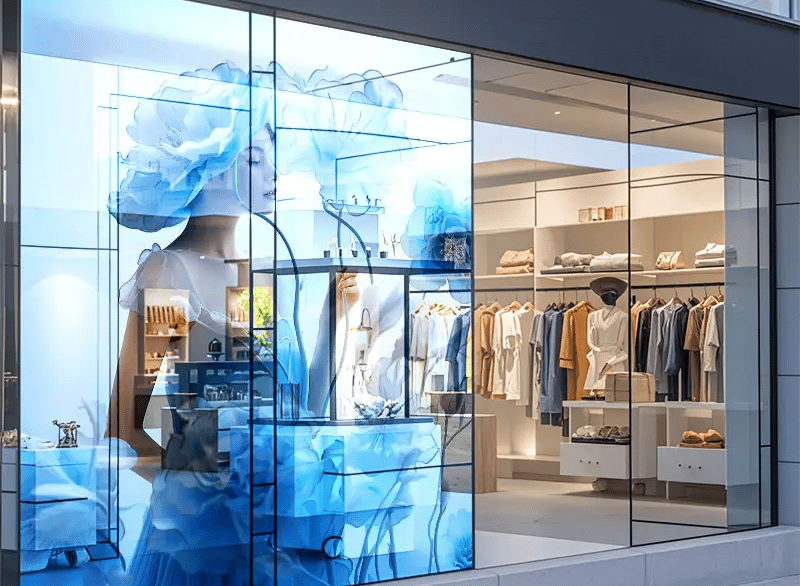
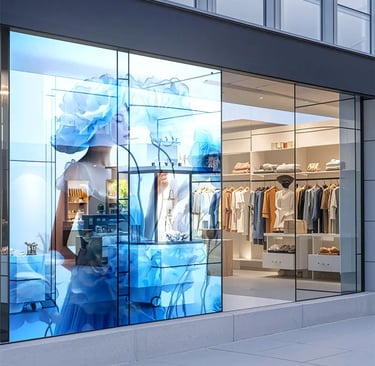
When selecting flexible transparent LED screens, the impact on indoor natural lighting is a common concern among users. These screens are often used in locations such as glass curtain walls and shop windows, where display performance and lighting needs must be balanced simultaneously. From a product structure perspective, flexible transparent LED screens are designed with permeability as a key consideration.
Flexible transparent LED screens utilize a dot-matrix arrangement of light-emitting units to achieve image display. Large light-transmitting areas are retained between these units, allowing natural light to pass through the screen into indoor spaces. Compared to traditional displays, the overall shading area is significantly reduced, resulting in relatively high light transmittance. When no content is playing, the presence of the screen is relatively low.
The degree of impact on lighting is closely related to screen parameters. A larger pixel pitch means more transparent areas and less effect on natural light. During the selection stage, users can make trade-offs based on the lighting requirements of the installation location. For areas with higher indoor lighting needs, models with higher permeability are typically chosen to balance display quality and ambient light.
The impact on lighting while content is playing is mainly reflected in brightness variation. When displaying images, localized areas of the screen become light sources, which can influence the visual environment indoors. This effect is mostly concentrated in the area directly facing the screen and has limited impact on overall lighting. Properly controlling playback brightness helps minimize interference with the indoor environment.
The installation method also affects lighting results. When the screen is attached to the inner side of glass, it provides relatively low obstruction to external natural light. If multi-layer overlay installation is used, light transmittance may decrease. Integrating overall planning with architectural lighting conditions during the design phase helps achieve more desirable outcomes.
In summary, under appropriate selection and reasonable installation conditions, flexible transparent LED screens have a limited impact on indoor natural lighting. Their permeable structural design allows a balance between display functionality and environmental needs, making them suitable for application scenarios with higher requirements for natural light.