Can Transparent Led Film Be Directly Applied to Glass?
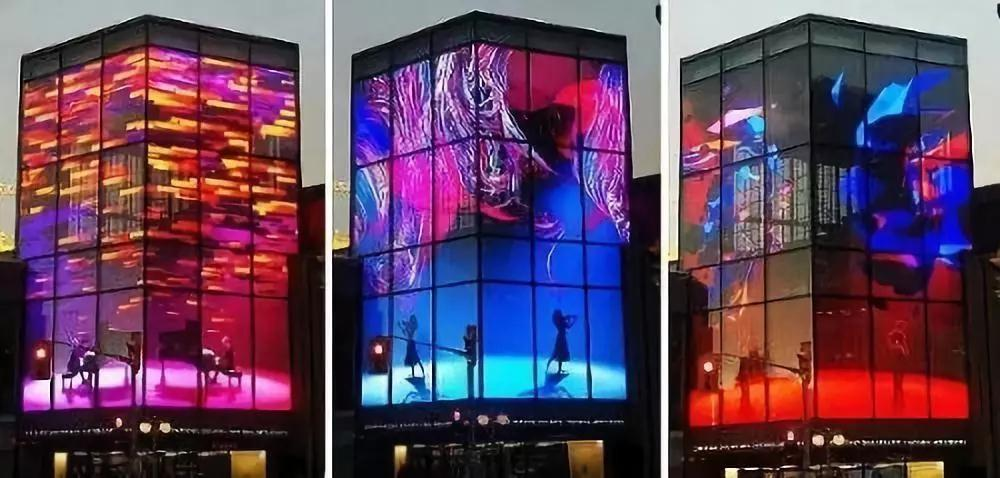
Adhesive-film-type Transparent Led Film are designed for direct application without the need for structural modifications, balancing display performance with glass protection. This makes them suitable for various scenarios such as shop windows and exhibition halls.
Adhesive-film-type Transparent Led Film are the primary products that can be directly applied to glass. These screens are exceptionally thin, with a thickness of only 0.3–0.8 mm, and lightweight, weighing 150–200 g/㎡. They are significantly thinner and lighter than traditional LED glass screens, eliminating the need for custom glass or bracket installation. Their adhesive backing uses a low-residue pressure-sensitive design, allowing them to be directly applied to substrates such as tempered glass or standard float glass. After application, the screen is nearly flush with the glass surface when viewed from the outside, preserving the glass's original transparency. It is important to distinguish between product types: traditional laminated Transparent Led Film require custom integration with the glass during manufacturing and cannot be applied directly to existing glass, whereas adhesive-film-type Transparent Led Film are specifically designed for retrofitting onto existing glass surfaces.
The application effectiveness depends on the condition of the glass and the installation technique. The glass surface must be smooth and free of cracks, as depressions deeper than 0.5 mm can lead to poor adhesion and display inconsistencies. Before application, the glass must be thoroughly cleaned with alcohol wipes to remove dust and oil stains, as any residue can cause bubbles that affect both transparency and display quality. The correct application process involves step-by-step operations: first, peel off one-quarter of the adhesive backing to secure the top edge, then use a silicone scraper to evenly press and smooth the screen downward while gradually peeling off the remaining backing, ensuring all air bubbles are completely expelled. For curved glass, a heat gun set to 30°C can be used to gently warm the screen, enhancing its flexibility and improving conformity to the surface.
Product selection determines suitability for specific applications. For shop window displays, Transparent Led Film with a light transmittance of over 80% should be chosen to ensure clear visibility of displayed items inside the store without obstructing light and affecting presentation. For outdoor or south-facing windows, models with anti-glare coatings are recommended to reduce reflections from sunlight that may cause image blur. Screens with a surface hardness of 3H or higher offer better durability, resisting scratches from everyday contact with keys, shopping carts, and other objects, thereby extending the product's lifespan.
Maintenance and removal after application are straightforward. For daily cleaning, use a soft cloth dampened with water to gently wipe the screen surface, avoiding abrasive materials that could cause scratches. When the rental period ends or the screen needs to be relocated, the Transparent Led Film can be peeled off directly. Any residual adhesive can be wiped away with alcohol, leaving no damage to the glass surface or its coating—solving the issue of marks left by traditional screen installations. By selecting the right product and applying it correctly, directly adhering an Transparent Led Film to glass not only reduces installation costs but also maximizes the display potential of glass spaces.