
Technical Specifications: Power Supply and Control Methods for Transparent LED Adhesive Film
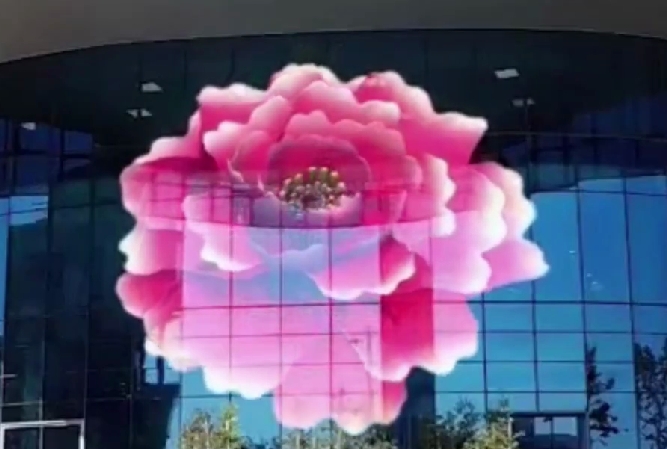

When selecting transparent led adhesive film, the power supply system and control architecture are critical technical factors. These elements directly impact display stability, maintenance convenience, and long-term operational safety.
1. Power Supply System
Transparent led adhesive film typically utilize a low-voltage DC power solution.
Voltage Range: Operating voltages are usually concentrated within a stable range (typically 4.5V to 5V), making them ideal for indoor commercial environments.
Module Placement: Power modules are generally centralized at the edges of the display area or in concealed locations.
Zonal Power Distribution: Electricity is delivered to individual display units via a distributed/zonal wiring approach. This structure helps reduce line load and enhances overall system stability.
2. Wiring and Installation
The wiring for these screens prioritizes a low-profile, flattened design:
Hidden Cable Management: Power and signal cables are mostly routed along glass frames or curtain wall structures to avoid visual interference.
Signal Integrity: Proper cable planning minimizes electromagnetic interference (EMI) and simplifies post-installation maintenance and inspections.
3. Control Architecture
Transparent led adhesive film generally employ a centralized control architecture, consisting of a sending box, receiving cards, and specialized control software.
Data Transmission: Content is transmitted from the controller host to each display unit for unified management.
Synchronous vs. Asynchronous: Depending on project requirements, users can choose between:
Synchronous Control: Real-time playback (e.g., live streaming).
Asynchronous Control: Pre-stored content playback (ideal for standalone advertising).
4. Multimedia Integration and Versatility
In commercial displays, these screens often link with multimedia ecosystems:
Compatibility: The systems support various signal inputs (video, images, text) and are compatible with standard display protocols.
Adaptive Display: This flexibility makes them highly effective for digital signage in storefront windows and brand image showcases.
Zonal Addressing: For multi-unit splicing, the system assigns independent addresses to different regions, allowing for complex layouts while maintaining seamless visual consistency.
5. Protection and Reliability
From an operational perspective, the power systems are equipped with essential safety features:
Safety Circuitry: Built-in over-current and over-voltage protection.
Thermal Management: Adequate power capacity configuration and heat dissipation space are vital to extending the system’s lifespan.
Overall, the power and control methods for transparent led adhesive film emphasize stability, integration, and flexibility. A well-engineered system design not only enhances visual performance but also provides a robust guarantee for long-term operation.