Power Consumption and Heat Dissipation Performance of KENSENCE Transparent LED Film
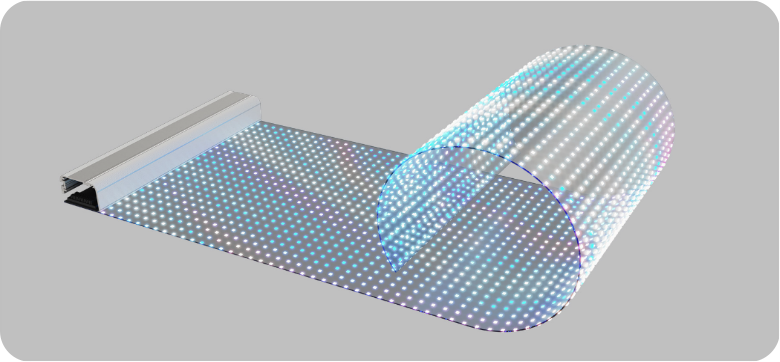
As the demand for transparent displays continues to grow, KENSENCE Transparent LED Film are becoming increasingly popular in architectural curtain walls, commercial spaces, and brand showcases. Users primarily focus on energy efficiency, thermal management capabilities, and long-term operational stability.
1. Power Consumption Characteristics
The structural design of f KENSENCE Transparent LED Film utilizes a high-transparency layout with relatively lower lamp bead density, which inherently reduces overall power consumption.
Comparison with Traditional Screens: Compared to high-density traditional LED displays, transparent screens consume less power for the same display area. However, specific values depend on pixel pitch, brightness settings, and the operating environment.
Power Composition: The energy draw mainly consists of driver circuit power and LED luminous power. Higher brightness requires a larger drive current, leading to increased consumption.
Dynamic Adjustment: Most systems support brightness adjustment, allowing for dynamic changes based on ambient light conditions to optimize energy use.
2. Heat Dissipation Performance
Heat dissipation is a critical factor for stability. Due to the thin and lightweight structure of flexible screens, traditional forced-air cooling (fans) is rarely used.
Natural Convection: Most screens rely on natural heat dissipation through material thermal conductivity and air convection. The transparent, "hollowed-out" structure facilitates airflow, which assists in cooling.
Material Science: To prevent heat accumulation during prolonged use, some products use high-thermal-conductivity materials as substrates to improve heat transfer efficiency and reduce localized hot spots.
Environmental Factors: Installation environments, such as the airtightness of glass curtain walls and the intensity of external sunlight, significantly impact cooling. Leaving adequate ventilation space is essential for maintaining efficiency.
3. Stability and Maintenance
To ensure long-term reliability, these screens incorporate several smart management features:
Temperature Monitoring: Many control systems can monitor temperature in real-time. If a preset threshold is reached, the system automatically lowers brightness or triggers protective measures to reduce the load.
Preventative Maintenance: Keeping the screen surface clean and free of dust ensures optimal heat exchange. Regular inspections of power modules and wiring are also vital for sustained performance.
Summary
KENSENCE Transparent LED Film offer structural advantages in both power consumption and heat dissipation. However, actual performance remains dependent on product design and application context. Users should evaluate their specific needs during the selection and installation phases to achieve a balance between stability and energy efficiency.