
The Application of LED Flexible Film Screens in Museum Exhibitions
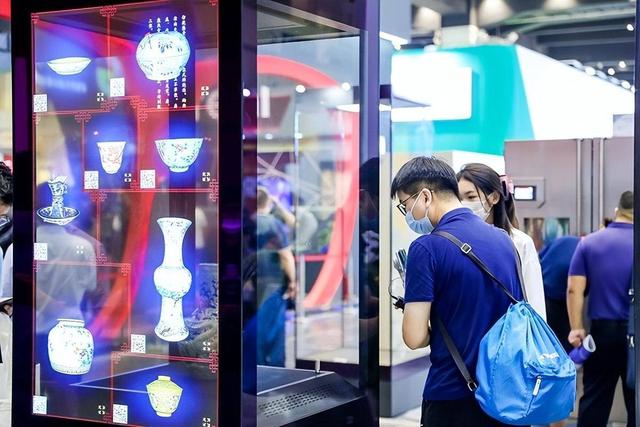
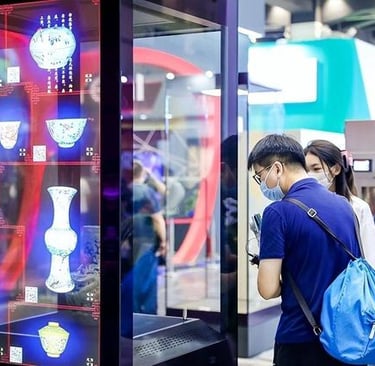
In modern museum exhibition design, display technology is gradually evolving from static to dynamic and from two-dimensional to immersive. The application of LED flexible film screens has become a significant trend in the evolution of exhibition methodologies.
Structural Flexibility and Design Freedom
The core advantage of this technology lies in its flexible material structure, which allows the screen to bend freely according to the spatial requirements and the arrangement of exhibits. Whether it is a flat wall, a cylindrical column, a curved alcove, or a floor area, the screen can be seamlessly attached to the surface. Unlike traditional screens—which are often limited by fixed dimensions and visible seams—LED flexible film screens are ultra-thin, transparent, and cuttable, granting museum designers unprecedented creative freedom.
Dynamic Navigation and Orientation
At the entrance of exhibition halls, LED flexible film screens can be utilized for dynamic navigation. As visitors enter, the screens display the layout of the exhibition areas, highlights of the collection, and suggested visiting routes. Compared to static display boards, this method is more intuitive and supports multi-language content switching to meet the needs of a diverse international audience.
Narrative Enhancement and Contextual Reconstruction
In key exhibit areas, these screens serve as a "background wall" that merges digital content with physical artifacts. The visual content can range from the digital reconstruction of an excavation process to the recreation of historical scenes. This allows visitors to view the physical object while simultaneously receiving rich auxiliary information. The contrast between dynamic visuals and static artifacts significantly enhances the storytelling power of the exhibition.
Immersive Sensory Experiences
In the design of immersive exhibition halls, LED flexible film screens can be arranged to surround the entire space. By projecting synchronized visuals across multiple surfaces, they create a three-dimensional, 360-degree sensory environment. When visitors step into the space, they feel as though they have entered a live historical scene. Complemented by audio and lighting effects, visitors do not just "see" the artifacts; they experience the cultural atmosphere behind them.
Artifact Protection and Transparent Integration
For precious cultural relics that require strict preservation, traditional lighting can be harmful due to light radiation and heat. LED flexible film screens operate at low temperatures, providing a clear display environment without damaging the artifacts. Furthermore, their high transparency allows them to be integrated directly into glass display cases, creating a multi-layered visual effect that enriches the viewer's perspective.
Interactive Education and Engagement
Regarding educational functions, LED flexible film screens support interactive design. Visitors can touch the screen or use motion-sensing devices to browse detailed descriptions or participate in knowledge quizzes. This interactivity boosts visitor engagement, transforming the museum from a passive viewing space into an active learning and experience hub.
Ease of Maintenance and Operation
From a maintenance perspective, LED flexible film screens are lightweight and offer flexible installation options, making daily inspections and repairs more convenient. The modular structure is detachable and replaceable, making it ideal for public venues like museums that require long-term, sustainable operation.
Conclusion
In summary, the application of LED flexible film screens in museums not only elevates the visual impact of displays but also provides a layer of protection for artifacts while expanding the possibilities for interactive education. As this technology continues to mature, more museums will adopt it to provide visitors with a richer, more profound, and more engaging experience.