
How to Control Playback Content on LED Flexible Transparent Screens?
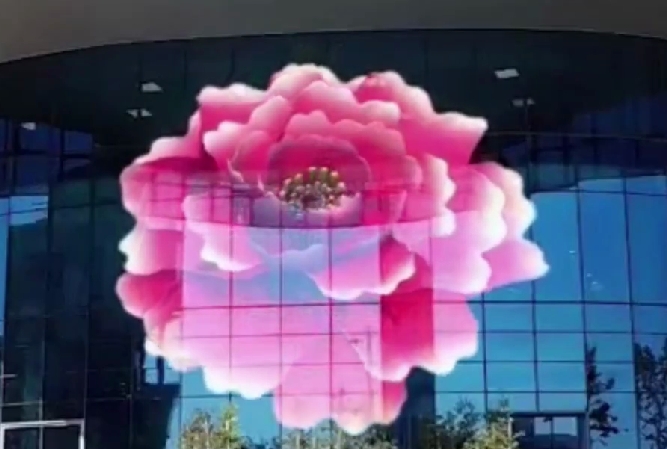
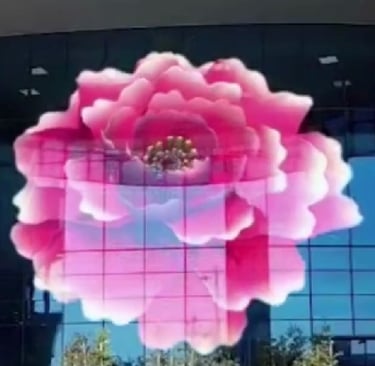
LED flexible transparent screens are widely utilized in scenarios such as shopping mall windows, exhibitions, and stage performances. Controlling the playback content is critical not only for visual aesthetics but also for the effectiveness of information delivery and the overall audience experience. Managing playback content requires a comprehensive approach covering software management, hardware interfaces, network transmission, and playback standards.
In terms of software management, LED flexible transparent screens are typically equipped with dedicated control systems that allow for content editing, layout design, and scheduling via PC or mobile devices. Operators can use control software to import multimedia assets—such as images, videos, and text—and set playback sequences and durations based on timetables or specific scene requirements. Some advanced systems support split-screen display, enabling different content to be played simultaneously on a single screen to meet diverse promotional needs.
Hardware interfaces are also a vital link in content control. The most common signal input method is HDMI, though some systems also support direct file importing via USB.
Regarding playback standards, it is essential to reasonably control content resolution and file size to ensure smooth playback. Overly large files increase the system load, potentially leading to stuttering or lag. Playback content must match the pixel pitch and dimensions of the screen to avoid image blurring or distortion. Furthermore, font sizes and color palettes should be adjusted based on the audience's viewing distance and angle to enhance readability and visual impact.
The update frequency of playback content should be planned according to the specific application. Retail advertising screens can be updated daily to maintain a sense of freshness; exhibition screens may be adjusted according to the event duration; and stage performance screens usually have fixed playback schemes established during rehearsals to ensure a seamless show.
By integrating comprehensive control across software, hardware, local area networks, and content design, precise playback and high-quality presentation can be achieved on LED flexible transparent screens. This not only meets the requirements for information dissemination but also significantly elevates the overall visual effect.