Energy Consumption and Efficiency of Transparent LED Film
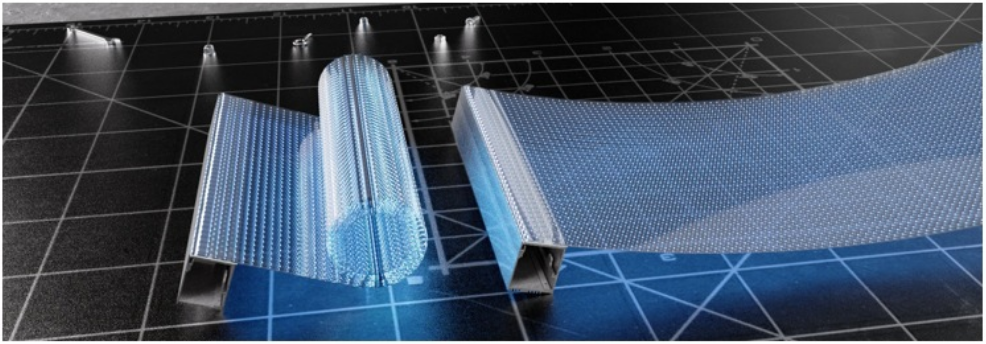
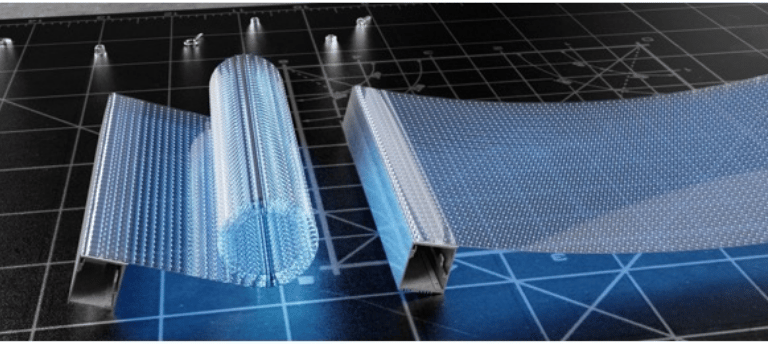
Transparent led film are widely used in building facades, window displays, and curved advertisements due to their thin, adhesive nature. When selecting these screens, users are particularly concerned with power consumption and energy efficiency. For large-scale continuous displays or long-term operation, effective energy control is vital for reducing operating costs and ensuring environmental adaptability.
Power Consumption Factors
Power consumption is closely linked to screen size, brightness, and pixel pitch. Transparent led film utilize high-efficiency LED chips and low-power driving methods to minimize energy use while maintaining superior brightness and visual performance. Compared to traditional rigid screens, film screens are lightweight and offer excellent thermal conductivity and heat dissipation. This allows the chips to operate stably at lower temperatures, significantly reducing energy loss.
Energy-Saving Measures
Key energy-saving strategies include intelligent control systems and partitioned display technology:
Adaptive Brightness: The screen can automatically adjust brightness and power output based on the ambient environment; for instance, power consumption drops significantly at night or in low-light settings.
Partial Display: This function lights up only the active pixels required for the content, effectively lowering the overall electricity draw.
Dynamic Optimization: Real-time dynamic display and grayscale adjustments further optimize power usage and improve energy efficiency.
Material and Design Advantages
The materials and architectural design of flexible film screens also contribute to energy savings. High-transparency substrates minimize light loss, while the integrated heat dissipation design keeps chips at a stable temperature. This not only saves energy but also extends the product's lifespan, reducing maintenance and replacement costs. For the commercial display and advertising industries, these efficiencies translate into a significant reduction in long-term operating expenses.
Summary: Through high-efficiency chips, intelligent regulation, and optimized heat dissipation, transparent led film achieve lower power consumption and improved energy efficiency. They are an ideal, reliable, and eco-friendly solution for large-scale, long-term visual applications.